What Is The Perfect Wedding?
The concept of a "perfect wedding" is a subjective mirage, often chased but rarely defined in the same way twice. For decades, the media has fed us a diet of pristine white dresses, towering cakes, and flawless choreography, suggesting that perfection lies in the aesthetic execution of a single day. However, as society evolves, so too does our understanding of what makes a celebration truly magnificent.
The perfect wedding is increasingly less about adherence to a rigid checklist of traditions and more about the authentic expression of a unique bond. It is the culmination of a journey, often years in the making, where two lives have slowly braided together. Long-term relationships do not develop in a straight line; they are forged in the fires of shared challenges, quiet Sunday mornings, compromised holidays, and the gradual, comfortable acceptance of another’s flaws.
When a couple finally stands at the altar, they are not just celebrating a day; they are celebrating the survival and flourishing of their love through the messy, beautiful reality of life. Therefore, the "perfect" wedding is simply one that honestly reflects this history, stripping away the performative layers to reveal the genuine heart of the partnership.
Deep companionship and mutual growth
The path from the first spark of attraction to the decision to marry is a profound metamorphosis. In the early days, relationships are often fuelled by dopamine and the thrill of discovery, but enduring love requires a shift towards deep companionship and mutual growth.
It is in the years between the first date and the engagement that the real work happens. This is where couples learn to navigate their careers, manage finances, perhaps raise pets or children, and support each other through loss and triumph. This period of gestation is crucial because it builds the foundation upon which a marriage stands. When the question is finally popped, it is rarely a surprise in the emotional sense, even if the moment itself is unexpected. It is a confirmation of what has already been established: a partnership of equals. Consequently, the wedding day becomes a public acknowledgement of a private truth.
The "perfect" celebration honours this timeline. It might mean a small, intimate ceremony because the couple values privacy, or a raucous, festival-style party because they bonded over music and crowds. The venue, the vows, and the guest list are not just logistical choices; they are narrative elements that tell the story of how two people became a team.
The secret ingredient that transforms a standard event
As couples plan this milestone event, the pressure to conform to external expectations can be immense, yet resisting this pressure is key to achieving perfection. A wedding that feels "right" is one where the couple feels entirely at ease, surrounded by the people who have championed their relationship from the start.
This comfort translates into the atmosphere of the day, creating a warmth that no amount of expensive floral arrangements can manufacture. It is about creating a space where emotions can run freely—where tears are welcomed, laughter is uninhibited, and the love in the room is palpable. This authenticity is the secret ingredient that transforms a standard event into an unforgettable memory. It is also what makes for beautiful wedding photography.
When a couple is relaxed and true to themselves, the images captured are not just pictures of people in fancy clothes; they are windows into the soul of the relationship. The way a groom looks at his bride when he thinks no one is watching, or the shared joke whispered during the vows—these are the moments that define perfection.
The unplanned embrace between old friends
To capture this authenticity, the choice of photographer becomes one of the most significant decisions in the planning process. The role of the photographer is to be the historian of the day, preserving the fleeting magic for future generations.
This is where the distinction between styles becomes important. A lifestyle wedding photographer is akin to a documentary filmmaker. Their goal is to capture the day as it unfolds naturally, without interference or direction. They thrive on the spontaneous, the chaotic, and the real. If the "perfect wedding" for a couple involves a relaxed garden party with children running wild and guests mingling freely, a lifestyle photographer is the ideal observer.
They will catch the mud on the hem of the dress, the unplanned embrace between old friends, and the raucous energy of the dance floor. Their work results in a gallery that feels alive, moving, and deeply personal, reminding the couple not just of how they looked, but exactly how they felt in those unscripted moments.
The structured family groups
Conversely, for many couples, the gravity and significance of the commitment demand a certain level of reverence and artistry that is best served by a traditional wedding photographer. There is a timeless beauty in the classical approach to wedding imagery.
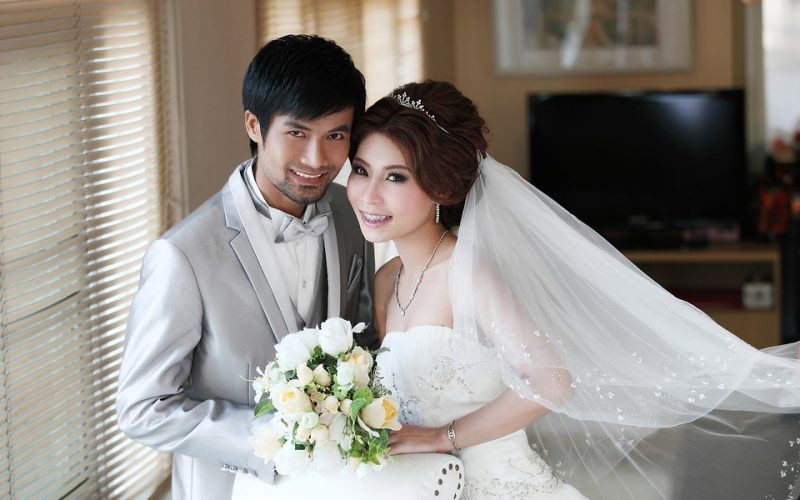
These professionals are masters of light, composition, and posing. They understand that a wedding is a rite of passage, a moment in history that deserves to be recorded with elegance and grandeur. If the couple sees their perfect day as a fairy-tale chapter in a long legacy of family traditions, the traditional photographer ensures that this vision is immortalised. They will craft the iconic portraits that hang above fireplaces for decades—the structured family groups, the dramatic silhouette against a sunset, the perfectly arranged train of the gown.
This style does not lack emotion; rather, it frames emotion within a polished, artistic context, providing a sense of permanence and stability that reflects the serious nature of the vows taken.
Trading a church for a cliff edge
The search for the perfect wedding is a journey of introspection. It requires the couple to block out the noise of Pinterest trends and family opinions to ask themselves what truly matters to them. Is it the food? The music? The religious significance?
Or simply the gathering of friends? By identifying their core values, they can construct a day that serves their relationship rather than the other way around. This might mean eschewing a white dress for a red one, trading a church for a cliff edge, or replacing a three-course meal with a hog roast. Perfection is found in the alignment of the event with the couple's identity. It is found in the stolen moments of quiet amidst the noise, the feeling of a hand squeezed in reassurance, and the collective joy of a community coming together to witness a union.
When the day is designed around the specific contours of the couple’s love, every glitch or deviation from the plan becomes a charming anecdote rather than a disaster.
A testament to endurance and hope
The "perfect wedding" is a myth if defined by flawlessness, but a reality if defined by meaningfulness. It is the joyous punctuation mark in the ongoing sentence of a long-term relationship. It acknowledges the past, celebrates the present, and welcomes the future.
Whether captured through the candid lens of a lifestyle artist or the structured eye of a traditional expert, the day serves as a testament to endurance and hope. As the years pass, the cake will be eaten, the flowers will fade, and the dress may be packed away, but the feeling of that day remains. It anchors the marriage during the storms that will inevitably come.
The perfect wedding, therefore, is simply the one that launches a couple into their shared future with full hearts, a strengthened bond, and a gallery of images that remind them, even fifty years later, of the promise they made and the love that started it all.